
Singapore bans stablecoin yield, not risk
MAS proposes 100% reserves and a yield ban for stablecoin issuers, but leaves distribution and lending channels untouched.
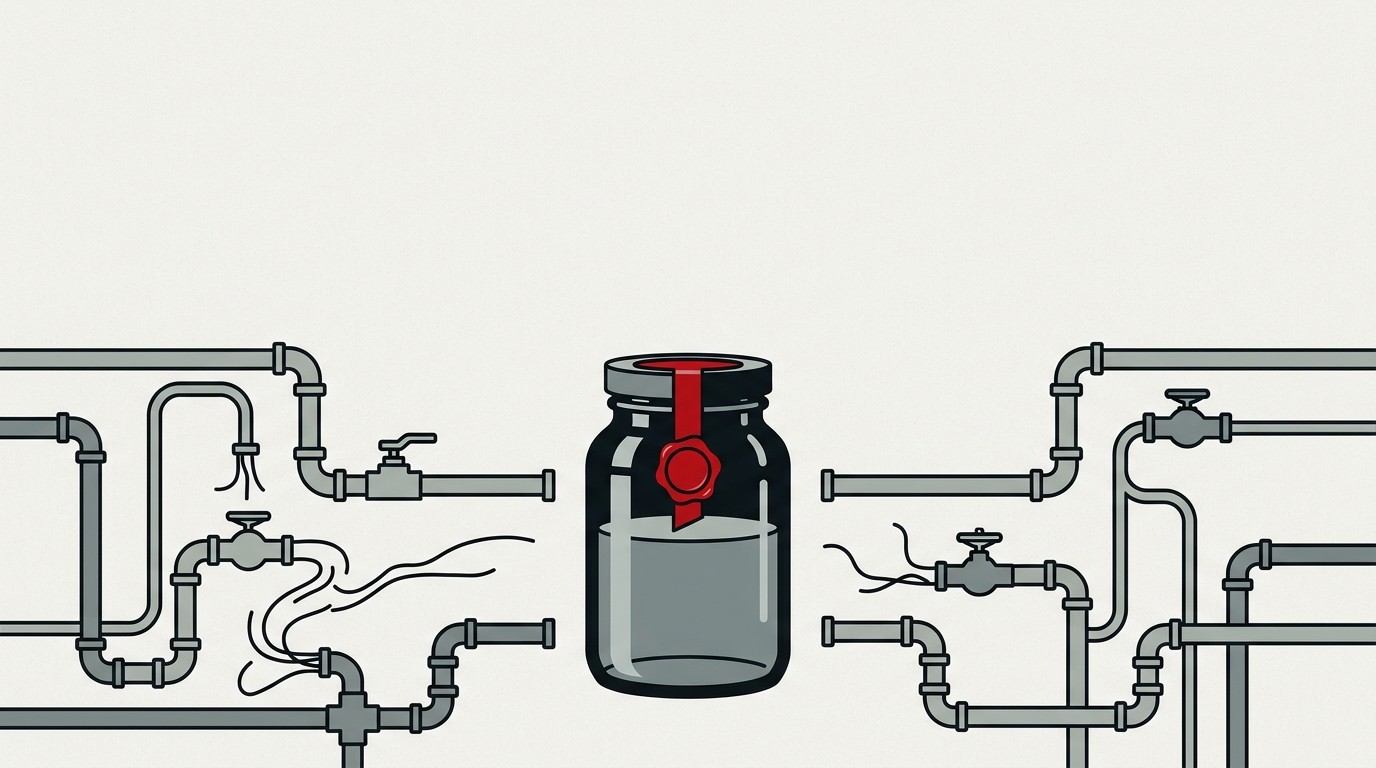
Singapore's Monetary Authority has proposed rules that would force stablecoin issuers to hold 100% of reserves in cash or cash-equivalents and ban them from paying yield to holders. The framework, detailed in a consultation reported by CoinDesk, targets issuance directly rather than the platforms that distribute the tokens.
What MAS is actually restricting
The proposal draws a hard line between issuing a stablecoin and profiting from the float built on top of it.
Issuers can't pay interest, rebates, or any yield-like return tied to holding the token itself. Reserve composition gets locked to cash and near-cash instruments, closing the door on issuers reaching for tenor or credit risk to juice returns.
The numbers behind the rule
- MAS's consultation paper sets a 100% reserve backing requirement in cash and cash-equivalents, per CoinDesk.
- The yield ban applies specifically to payments made by the issuer to token holders, not to third parties.
- Singapore's stablecoin framework follows a wave of global rules, including the US GENIUS Act, that similarly bar issuer-paid yield.
- MAS has run a dedicated stablecoin regulatory framework since 2023, giving this proposal a base to amend rather than build from scratch.
Where the yield actually goes
The default read treats this as Singapore closing the yield loophole that made stablecoins competitive with money-market funds. That's the surface of it.
The rule bans yield paid by the issuer. It says nothing about yield paid by an exchange, a lending desk, or a neobank that holds the stablecoin on a customer's behalf and passes through a return funded by its own use of the float.
Circle doesn't pay yield on USDC. Coinbase does, through a distribution deal that splits reserve income downstream. MAS's rule maps cleanly onto the first structure and does nothing to the second.
Issuers under this regime become plumbing: fully reserved, no margin on the money, no incentive to hold anything but cash. The economics of stablecoin yield don't disappear. They move to whoever holds the customer relationship, which was already the more profitable seat.
Regulators writing rules against the issuer are regulating the party with the least leverage over where reserve income ends up. Distribution partners keep the option MAS just took away from issuers, because the rule was never written to reach them.
Signals that would confirm or break this
- Watch whether MAS extends any parallel rule to exchanges or wallets that pass through reserve-funded returns on regulated stablecoins.
- Watch issuer reserve disclosures after the rule takes effect: a shift toward shorter-duration cash instruments would confirm issuers are optimizing purely for compliance, not yield capture.
- Watch whether Singapore-licensed distributors advertise stablecoin rewards or cashback tied to holding volumes, the channel this rule leaves open.