
Zcash tops $1,000 as miners squeeze margins
ZEC crossed $1,000 as Grayscale's ZCSH pulled in inflows, but rising hashrate is already cutting into miner rewards. Finding #1: mining difficulty gains are outpacing price gains.
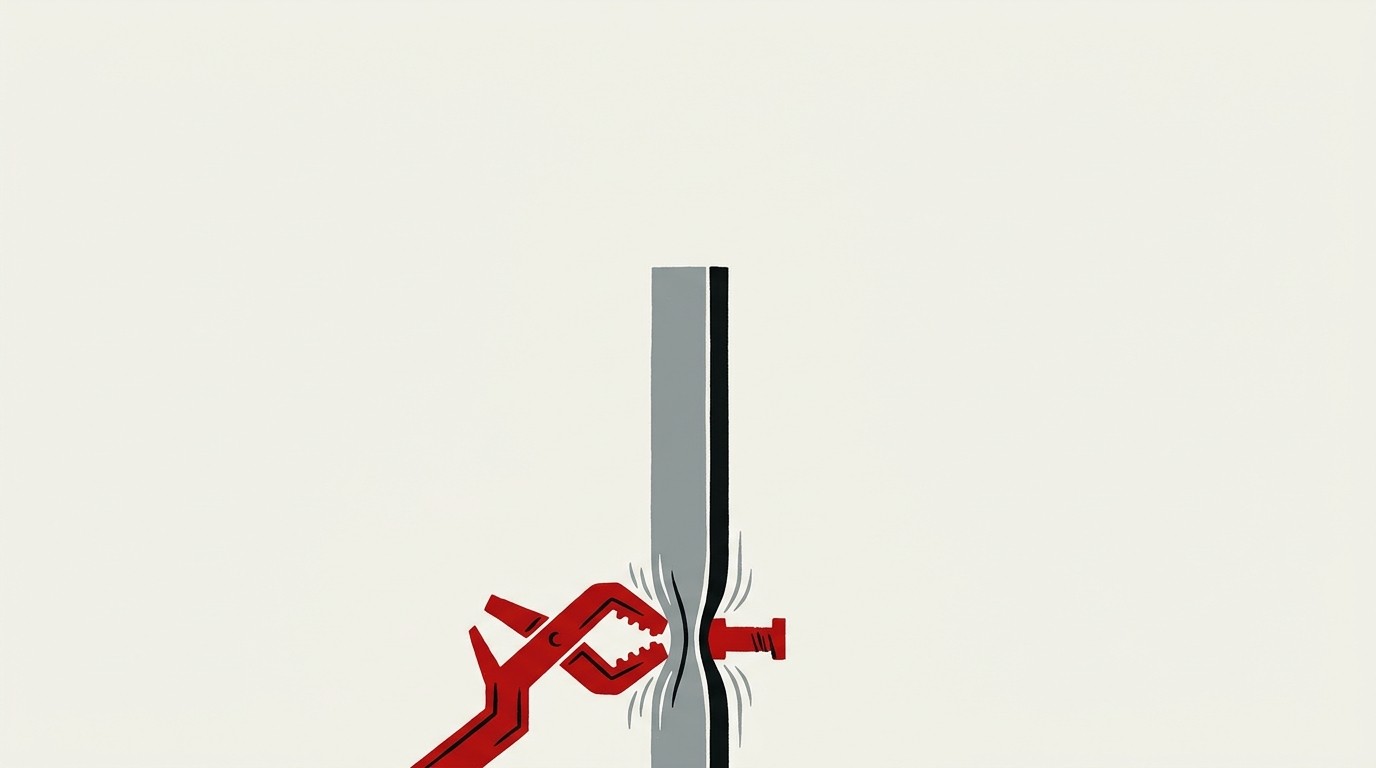
Zcash crossed $1,000 this week, its highest level in years, as Grayscale's ZCSH fund pulled in fresh money and miners rushed to add hashrate. The rally looks like a demand story. The mining data says something else is happening underneath it.
ZEC's price and the fund flows
Grayscale's ZCSH has been the visible driver, with inflows accelerating as ZEC's price broke through four figures. That's the headline. The harder number sits in the mining layer, where competition for block rewards has been rising faster than the price that's supposed to reward it.
- ZEC traded above $1,000 for the first time since 2018, per The Block.
- Grayscale's ZCSH has posted a multi-week run of net inflows as the token's price climbed.
- Zcash's network hashrate and mining difficulty have both risen sharply alongside the rally, per The Block.
- Miner competition is now cutting into the per-unit gains that a rising ZEC price would otherwise deliver.
The miner squeeze under the rally
The default read treats this as a clean demand story: an ETF wrapper draws in buyers, price rises, everyone wins. The mining numbers complicate that story.
Difficulty is climbing faster than price. Miners are piling in because ZEC above $1,000 looks profitable on paper, but every new rig on the network cuts the next miner's expected reward.
That's a race to the bottom dressed up as a rally.
The people actually running the infrastructure that secures Zcash are seeing their margins compress even as the token they're mining hits new highs. It's the same dynamic that hit bitcoin miners after past halvings and hashrate surges: price up, unit economics flat or worse.
Fund inflows and mining economics are two separate markets pricing the same asset differently. ZCSH buyers are betting on ZEC as a store of value or a shielded-transaction bet. Miners are betting on ZEC as a production business, and that business is getting less profitable in real time even as the headline number goes up.
If mining margins keep compressing, expect either a hashrate plateau as the least efficient miners drop off, or consolidation among larger operators who can absorb thinner margins. Neither outcome is bullish for network decentralization, even if it's neutral or good for price.
What breaks the read
The read holds if difficulty keeps rising faster than price and miner margins keep shrinking. It breaks if hashrate growth stalls even as ETF inflows continue, which would mean the mining squeeze was temporary and demand is genuinely outrunning supply-side pressure.
- Watch Zcash's mining difficulty adjustment over the next two to three cycles for signs of a plateau or reversal.
- Watch whether ZCSH inflows sustain through a full week without a matching hashrate spike, which would separate fund demand from mining incentives.
- Watch for any public miner commentary or hashrate data showing operators exiting as margins compress further.