
UniCredit weighs crypto custody in Italy
UniCredit, Italy's second-biggest bank, is picking a tech vendor for crypto custody, joining a wave of MiCA-licensed European banks.
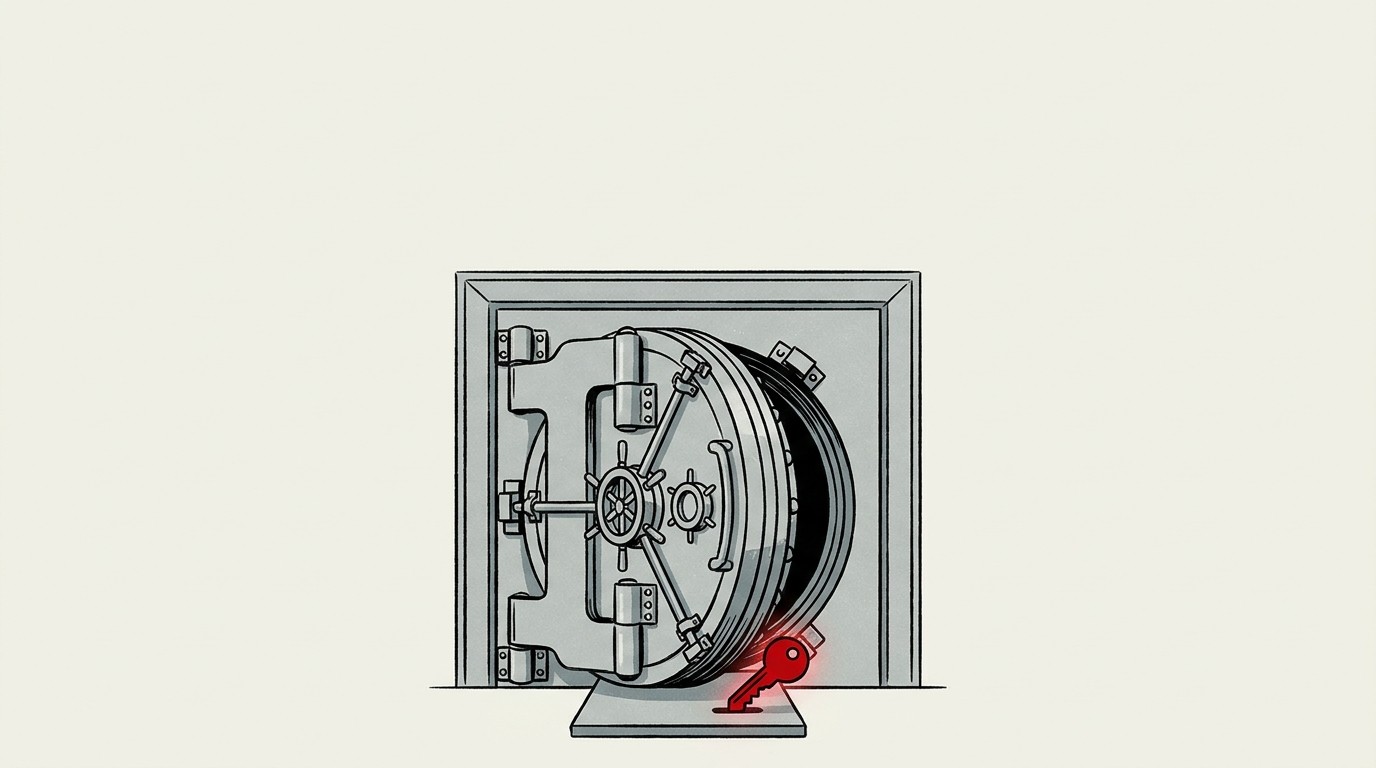
UniCredit, Italy's second-largest bank, is selecting a technology vendor to build crypto custody infrastructure, according to a Bloomberg report citing people familiar with the matter. The plan covers holding digital assets, facilitating buying and selling, and potentially tokenized fixed-income products and stablecoin exposure.
The European custody build-out
UniCredit is not choosing in a vacuum. Five other regulated European institutions have already committed capital and headcount to the same infrastructure question in the past year.
- UniCredit is picking a vendor for crypto custody, per a Bloomberg report cited by Bitcoin Magazine.
- Cecabank, a Spanish custodian with over €400 billion under management serving 100+ institutions, went live with crypto custody in June via Bit2Me.
- BBVA rolled out bitcoin trading and custody to all retail app users using its own custody infrastructure, not a third party.
- Taurus and DZ Bank secured BaFin approval in January for the meinKrypto platform.
- UniCredit is one of 37 lenders across 15 countries building Qivalis, a project for a euro-denominated stablecoin.
What MiCA actually changed
The obvious read is that UniCredit is chasing a hot asset class. The more precise read is that MiCA gave banks something they never had before: a legal definition, a named supervisor, and a compliance checklist that maps onto systems they already run.
Custody is a licensing product, not a trading desk. UniCredit already ran a structured product tied to BlackRock's iShares Bitcoin Trust ETF for professional clients last year, with full downside protection. That was synthetic exposure through a wrapper.
Direct custody is different. It requires holding keys, which requires the infrastructure Cecabank, BBVA, and Deutsche Bank have each built through different vendor paths in the same twelve months. UniCredit choosing a vendor now, rather than building in-house, suggests it's optimizing for speed to a MiCA-compliant product, not for owning the technology stack.
The pattern across five banks in three countries is a sector responding to a rule change, not five independent bets on bitcoin's price.
What to watch
- Which vendor UniCredit picks and whether it mirrors Bitpanda's white-label model used by Deutsche Bank or Cecabank's Bit2Me partnership.
- Whether UniCredit's custody rollout includes retail access, following BBVA and Openbank, or stays restricted to professional clients as its ETF product did.
- Progress on Qivalis' euro stablecoin, since a bank running both custody and stablecoin issuance signals a full-stack digital asset unit forming.