
HTX's $135M stETH trail leads to Poloniex
On-chain data traces 71,853 stETH, worth $135M, moving from HTX reserves into Poloniex wallets before June's proof-of-reserves reset.
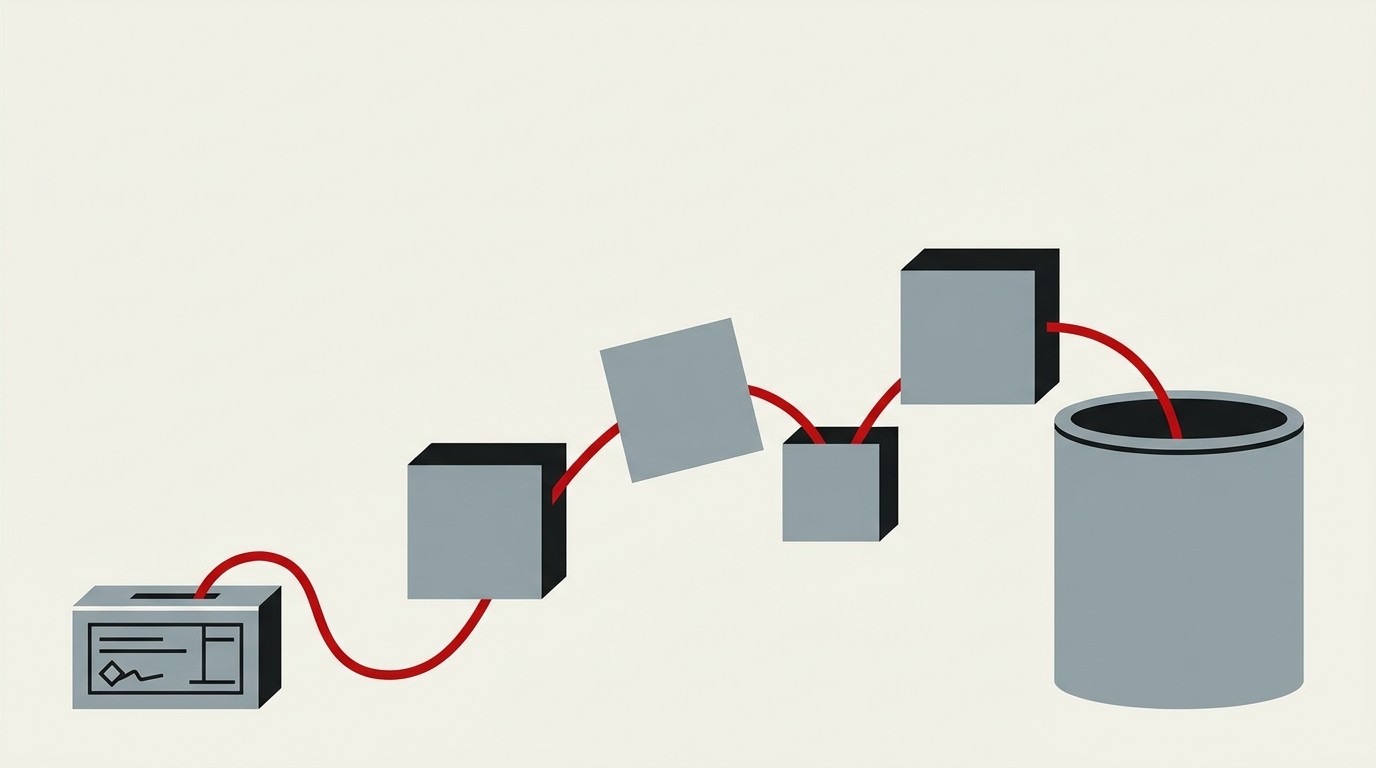
HTX moved 71,853.22 stETH, worth about $135 million at today's price, out of a reserve address on May 30, just before it retired that proof-of-reserves format. Protos traced the tokens through three hops in minutes, ending inside wallets tagged Poloniex 7, Poloniex 10, and Poloniex 9, the last of which Etherscan previously labeled "Justin Sun 4."
The trail on-chain
The stETH sat in address 0x1870...da12, part of HTX's May 1 proof-of-reserves, until May 30. From there it went to an intermediate address, then to Poloniex 7, then Poloniex 10, then Poloniex 9, all within a short window according to Protos's on-chain tracing. Days later, HTX's June proof-of-reserves reclassified a chunk of holdings under a new "ThirdParty" category, without naming the custodian. HTX has not answered requests to identify it. Separately, TRM Labs has flagged HTX rotating wallets rapidly since the EU and UK sanctioned the exchange in July, a pattern TRM describes as an attempt to stay ahead of screening tools. The stETH move predates that rotation but lands in the same custodial black box: Poloniex, an exchange Sun also controls, and which has separately declined to disclose the addresses where it holds HTX's tokenized BTC, historically more than half of HTX's reported bitcoin.
What commingled reserves actually mean
Two exchanges under one owner moving customer-backed assets between each other isn't proof of theft, but it kills the entire point of proof-of-reserves. The audit exists to show that customer claims are matched one-to-one by segregated, verifiable assets sitting where the exchange says they sit. Once HTX's stETH ends up inside Poloniex's wallet cluster, and once HTX's public reporting starts hiding the destination behind a label like "ThirdParty" with no named custodian, the reserve figure stops meaning anything an outside party can check. It becomes a number the same person controls on both ends of the transaction. That's the structural risk with Sun's exchange empire: HTX, Poloniex, TRON and Sun's personal wallets aren't independent counterparties, they're the same balance sheet wearing different tickers. A shortfall at one doesn't stay contained.
One thing to watch
Watch whether HTX names the ThirdParty custodian or produces wallet-level proof that Poloniex's balances aren't backstopping HTX's reported reserves. Silence on that question, especially after sanctions pressure, is the signal that the commingling isn't a one-off transfer but a standing arrangement.