
One wallet ring, $18.4M in rug pulls
An onchain analyst traces $18.4M in Robinhood Chain memecoin drains to wallets exempted from anti-sniping tax across 10 token launches.
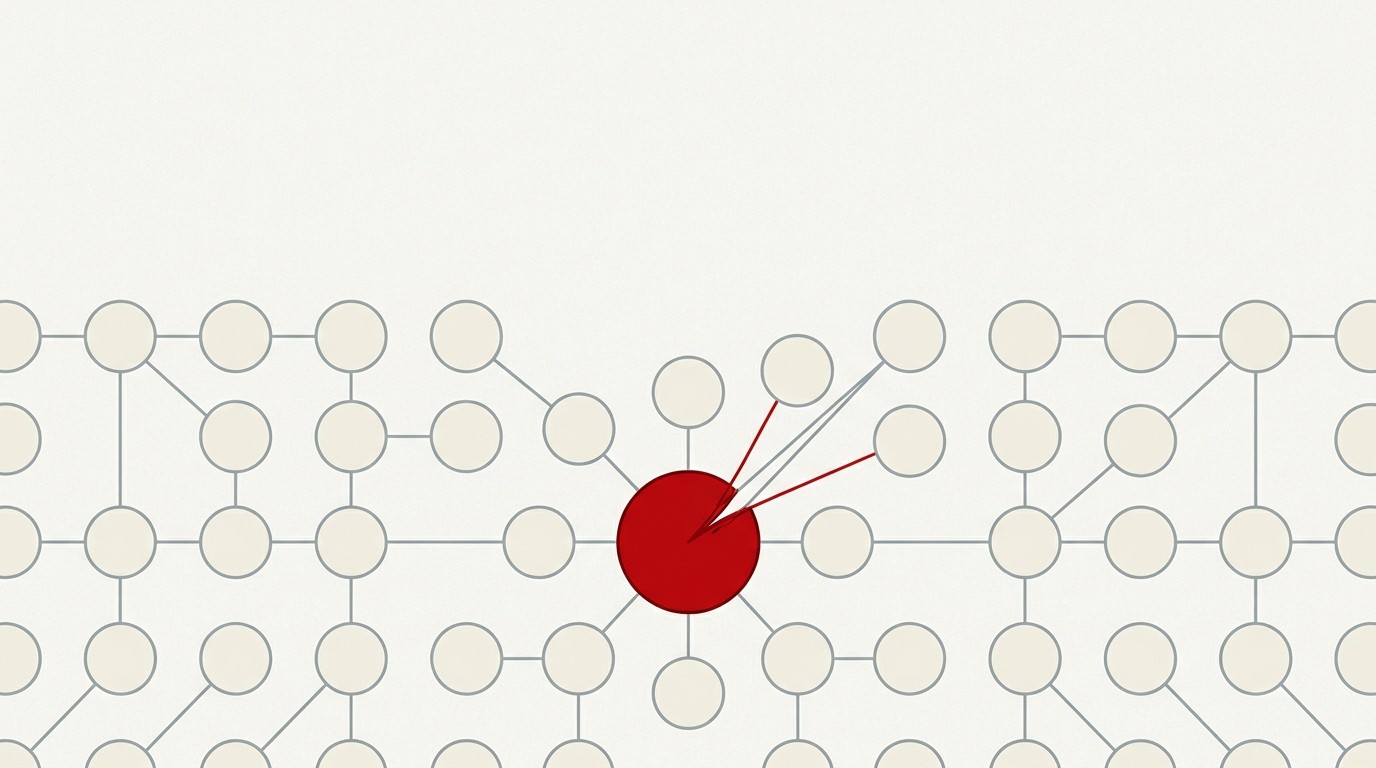
An onchain analyst has tied $18.4 million in extracted value across ten memecoin launches on Robinhood Chain to a single operation. The mechanism wasn't a hack or an exploit. It was a whitelist.
Pons V2 and the exemption list
Each of the ten tokens launched on Pons V2, a launchpad that applies an anti-sniping tax meant to stop bots from front-running new listings. The tax works by penalizing early buyers who aren't on an approved list.
In each of these ten launches, the creators added a specific set of wallets to that approved list. Those wallets then bought up most of the token's circulating supply before the tax applied to anyone else.
The trail across ten tokens
The pattern repeats with enough consistency that one analyst was able to link all ten launches to a common source.
- $18.4 million in total value extracted across the ten token launches, per the analyst's onchain tracing, The Block reports.
- 10 separate Pons V2 launches carried the same exempted-wallet pattern before supply was drained.
- The exempted wallets bought the majority of each token's supply ahead of the broader market, per onchain data cited in the report.
- Zero of the ten launches applied the anti-sniping tax to the wallets that ended up holding most of the supply.
The mechanism, not the memecoin
The default read treats this as another memecoin rug pull, a familiar story on any chain that lets anyone deploy a token in minutes. The wallet-exemption pattern says something more specific.
Anti-sniping mechanisms exist to protect retail buyers from bots. Here, the same tool that was supposed to protect buyers became the extraction method.
Whoever controlled the exemption list controlled the outcome. That's a governance failure sitting inside the launchpad's code, not a one-off scam that slipped past moderation.
Ten repetitions of the same setup point to a repeatable playbook rather than an isolated bad actor.
If a launchpad lets any wallet get exempted from its own protective tax, that feature is the attack surface. The fix isn't better scam-spotting. It's removing the discretion that let one operator write itself onto the safe list ten times in a row.
What confirms the pattern
A few concrete developments would tell us whether this gets contained or repeats again.
- Whether Pons or Robinhood Chain publishes the exemption-list logic and restricts who can add wallets to it going forward.
- Whether the same wallet cluster resurfaces on an eleventh launch after this report, confirming the operation is still active.
- Whether any exchange or bridge freezes funds tied to the identified wallets, the way similar cases have triggered partial recoveries elsewhere.