
Coinbase's Q2 miss hides a bigger shift
Coinbase posted a $359M Q2 net loss on falling trading revenue, but subscriptions hit 48% of net revenue.
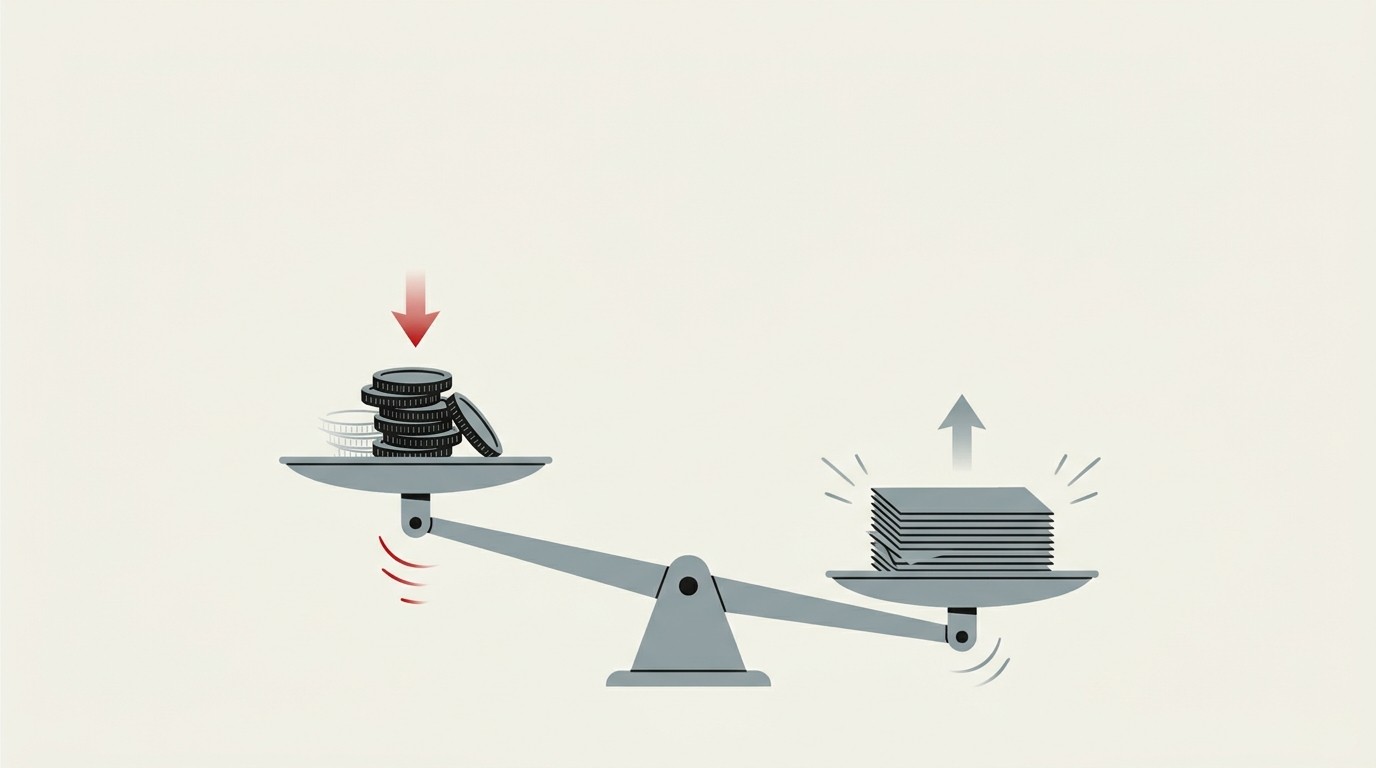
Coinbase reported $1.22 billion in second-quarter revenue against a Street expectation of $1.29 billion, and posted a net loss of $359 million. Trading activity across the industry cooled through the quarter, and the exchange's top line cooled with it.
What the numbers show
Subscription and services revenue hit $555 million, or 48% of net revenue, the largest share that segment has ever carried at Coinbase. That bucket covers stablecoin interest, custody, and Coinbase One subscriptions, and it kept growing even as transaction revenue shrank. The company's own Q2 shareholder letter points to lower trading volume as the main drag on the quarter, with crypto asset prices sliding through much of the period and retail activity thinning out first. Coinbase said its own trading market share still reached a multi-quarter high, which means the whole market shrank faster than Coinbase's slice of it.
Why the miss doesn't kill the thesis
The read here is simple: Coinbase is behaving less like a brokerage tied to trading volume and more like a financial utility with a subscription core. A company that makes $359 million less than expected and still grows its recurring revenue share to 48% is proving its diversification plan works exactly when it needs to. Trading revenue is volatile by nature. It always was. What matters for the stock and the business is whether the non-trading half keeps compounding while volume swings up and down with the market.
That's the opposite of the story Wall Street usually tells about crypto exchanges, where a bad quarter means the whole model is broken. Coinbase's model isn't broken. It's just less levered to trading than it was two years ago, and the earnings miss is the visible cost of that shift showing up before the benefit fully lands. Investors pricing Coinbase like a trading venue are going to keep getting surprised by quarters like this one, in both directions.
What would confirm the shift
Watch whether subscription and services revenue keeps its share above 45% through a quarter when trading volume actually recovers. If that segment's share falls back once trading picks up, the diversification story is weaker than this quarter suggests. If it holds or grows even as volume returns, Coinbase has genuinely changed what kind of company it is.